Home > Press Releases > Microgreens Market

Microgreens Market Anticipated reaching USD 8 Billion by 2035.

Report Code: FB-15523  |  Published in: Aug 2025, By MarketGenics  |  Number of pages: 354

Microgreens Market Forecast 2035:

According to the report, the microgreens market is anticipated to grow from USD 2.7 Billion in 2024 to USD 8 Billion in 2035 at a CAGR of 10.3% during the forecast period. The compact microgreens market has grown rapidly, compelled by growing consumer concern and interest in fresh, nutrient-rich and functional foods. As consumers become more educated on the relationship between diet (eating) and wellness (health), many consumers see the value in microgreens, because of their concentrations of vitamins, minerals, and nutrients (Microgreens and antioxidants), which aid support in mitigating their necessary immune support and overall daily health. This trend is magnified for health-conscious consumers- consumers that are actively navigating clean-label, plant-based and allergen-free foods.

The unregulated, compact size microgreen product categories are getting attention. In 2024, North America and parts of Asia-Pacific launched a plethora of products featuring microgreens, including salad blends, ready-ready meals, wellness beverages, functional snacks, etc. These products also frequently promote added health benefits and improved culinary characteristics targeting both the retail and foodservice marketplace. The governments and health authorities are continuously updating guidelines to practice safer indoor farming and safe sourcing practices, which will result in the ongoing enablement of consumer trust and distribution of products.

These technologies likely to enable growers to optimize flavor, texture, and nutrient value with lower water usage and pressure on land, and as smart farming solutions become more cost-effective, producers are able to provide bespoke microgreens with health benefits, longer shelf life, and a supply year-round. This opportunity to develop a growth market situates microgreens in line with increasing global wellness and sustainability initiatives.

“Key operators, limitations, and prospects for growth impacting the Microgreens Market”

The microgreens market is made up of a combination of local small-scale growers, innovators, and larger-scale indoor farming companies, such as AeroFarms, Fresh Origins, Farmbox Greens, and TruLeaf, which use cutting edge growing techniques such as vertical farming and hydroponics to drive their businesses. Many small businesses, chefs, and home growers have entered the market with low-to-zero startup costs, substantial local demand, and a diversified base of clients. These include supermarkets, health food stores, restaurants, and chefs, who create demand and make it easier for consumers to purchase microgreens.

A few major challenges persist despite the increased interests toward microgreens. The main product limitation is the short shelf life of microgreens which can complicate transportation and storage. As microgreens are delicate, they also need a heightened level of care in handling and packaging before use and can lead to increased costs. Further, the lack of consumer awareness in regional markets and limited distribution channels decrease market growth. For larger-scale possession, climate control, and other infrastructure needs in indoor farm setups can increase energy and maintenance costs.

The future of the microgreens market is bright based on rising interest in healthy eating, plant-based diets, and food high in vitamins, minerals, and nutrients. Demand from restaurants, healthy eaters, and wellness consumers are encouraging advancements in new intermediated (packaging, delivery) and agricultural technologies. Innovative smart agriculture techniques are being utilized to help achieve years of consistent production of high-quality microgreens using AI technologies, hydroponic systems, and vertical farming practices.

An upsurge in Microgreens Market

"Rapid Diversification of the Microgreens Market Fueled by Health Trends, Urban Farming Innovation and Expanding Consumer Reach"

  • Consumers are changing their mind sets and production methods are evolving, meaning the microgreens market is diversifying rapidly due to multiple forces changing demand. First, the health-minded eating trend is extremely favorable for microgreens due to their high density of nutrition (and densities of vitamins, minerals, enzymes, and antioxidants). Microgreens are a convenient addition to the meal preparations of consumers trying to keep it natural and support healthy digestion, immunity, and health overall. Also, as plant-based, clean-labels, and functional diets grow, consumers attention to microgreens as a new functional plant food is increasing.
  • Secondly, urban farming advancements including hydroponics, vertical farming, and controlled-environment agriculture (CEA), offer innovative solutions towards increased efficiency and access to microgreens in urban environments where space is limited. Startups and larger organizations are employing such solutions to offer farmers more year-round production, more nutrient control, and less use of water.
  • Finally, the expanding access to consumers is another reason for this market's expansion. Microgreens are jumping out of their niche health ecosystems and into direct, consumer access through local markets, grocery stores, and direct to home delivery platforms. Collectively, these trends point to a rapid growth, changing the market for microgreens in terms of products, production choices, and market segments—which is an active area for the future of health and sustainable food systems.

Regional Analysis of Microgreens Market

  • The microgreens market demonstrates distinctive growth for different regions, fueled by distinct consumer preferences and adoption of technology. North America is still the leading market, supported by the U.S. and Canada where health-conscious consumers continuously push for fresh foods that are nutrient dense, along with the rise of vertical farming. Europe is currently the largest market for microgreens, with countries like Germany, France, and the UK, driving growth due to their penchant for organic, clean label foods and a strong adoption of sustainable methods that implement indoor farming technologies.
  • The Asia Pacific region is the fastest growing microgreens market, highlighted by growth in countries like China, India, and Japan that are increasingly utilizing microgreens due to persistence of health benefits, growing urban populations, and a growing interest of home and commercial hydroponics systems. The demand would continue to be bolstered by an increasing trend towards plant-based diets, as well as support from governments with respect to food innovation.
  • Latin America and Middle East & Africa are considered emerging markets for microgreens, but progress in the market is still being made. Moreover, in conclusion, while Europe has the most market volume, innovators in North America and Asia-Pacific regions is fueling fast-paced growth with the rest of the world also starting to capitalize on the opportunity through various nutrient-dense foods.

Key players operating in the microgreens market include 2BFresh, Aerofarms, Agrosiaa Agri Solutions Pvt. Ltd., Backyard Greens, Beleaf Farms, Bowery Farming Inc., Chef’s Garden, Farmbox Greens LLC, Freight Farms, Fresh Origins, GoodLeaf Farms, Gotham Greens, Greenbelt Microgreens, Hamama Inc., Hydrofarm LLC, Infarm, Living Earth Farms, Madar Farms, Metro Microgreens, Square Roots, Sun State Organics, The Chef's Garden Inc, TruLeaf Sustainable Agriculture, Urbn Leaf Farms, and Other Key Players.

The microgreens market has been segmented as follows:

Microgreens Market Analysis, by Growth Medium

  • Soil-based
  • Hydroponic
  • Coco Peat
  • Biodegradable Fiber Mats
  • Peat Moss
  • Vermiculite/perlite blends
  • Others (Composite Organic Mixes, etc.)

Microgreens Market Analysis, by Farming Method

  • Indoor Vertical Farming
  • Greenhouse Farming
  • Commercial Outdoor Farming
  • Container Farming
  • DIY/Home-based Farming
  • Aquaponics-integrated Farming

Microgreens Market Analysis, by Produce/ Crop Type

  • Broccoli Microgreens
  • Arugula Microgreens
  • Radish Microgreens
  • Basil Microgreens
  • Pea Shoots
  • Sunflower Microgreens
  • Beet Microgreens
  • Cilantro Microgreens
  • Mustard Microgreens
  • Spinach Microgreens
  • Amaranth Microgreens
  • Cabbage/Kale Microgreens
  • Others (e.g., Buckwheat, Chard, Fenugreek, etc.)

Microgreens Market Analysis, by End-User

  • Foodservice
  • Hotels
  • Restaurants
  • Cafés
  • Retail Consumers
  • Nutraceutical Companies
  • Cosmetics and Personal Care Manufacturers
  • Health & Wellness Centers
  • Others

Microgreens Market Analysis, by Distribution Channel

  • Direct Sales
  • Online Retail
  • E-commerce platforms
  • Direct-to-consumer
  • Subscription services
  • Offline Retail
  • Supermarkets
  • Specialty stores
  • Farmers markets
  • Traditional channels

Microgreens Market Analysis, by Packaging Type

  • Plastic Clamshells
  • Biodegradable Trays
  • Vacuum-sealed Bags
  • Custom-labeled Micro Packs
  • Bulk Packaging

Microgreens Market Analysis, by Shelf Life

  • 1–3 days
  • 4–7 days
  • >7 days

Microgreens Market Analysis, by Region

  • North America
  • Europe
  • Asia Pacific
  • Middle East
  • Africa
  • South America
 

About Us

MarketGenics is a global market research and management consulting company empowering decision makers from startups, Fortune 500 companies, non-profit organizations, universities and government institutions. Our main goal is to assist and partner organizations to make lasting strategic improvements and realize growth targets. Our industry research reports are designed to provide granular quantitative information, combined with key industry insights, aimed at assisting sustainable organizational development.

We serve clients on every aspect of strategy, including product development, application modeling, exploring new markets and tapping into niche growth opportunities.

Contact US

USA Address:

800 N King Street Suite 304 #4208 Wilmington, DE 19801 United States.

+1(302)303-2617

info@marketgenics.co

India Address:

3rd floor, Indeco Equinox, Baner Road, Baner, Pune, Maharashtra 411045 India.

sales@marketgenics.co

Table of Contents

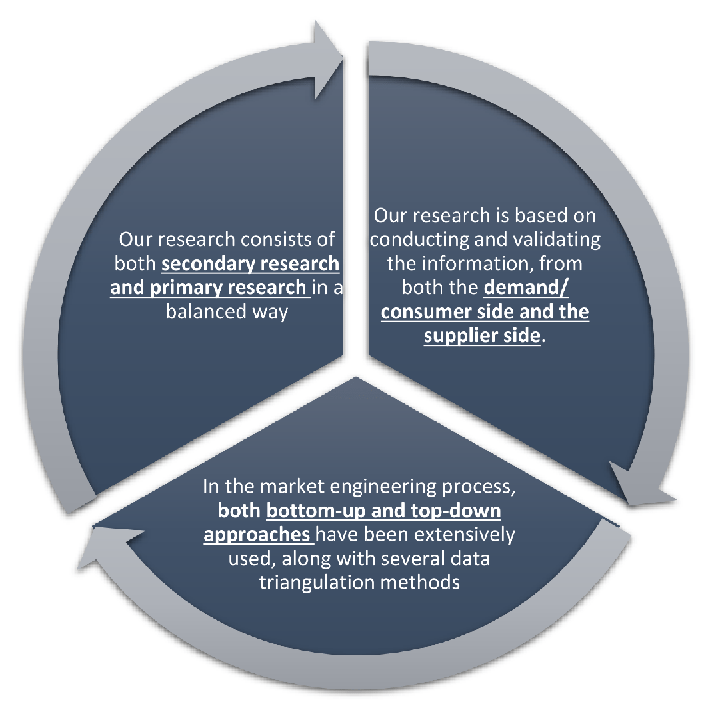
  • 1. Research Methodology and Assumptions
    • 1.1. Definitions
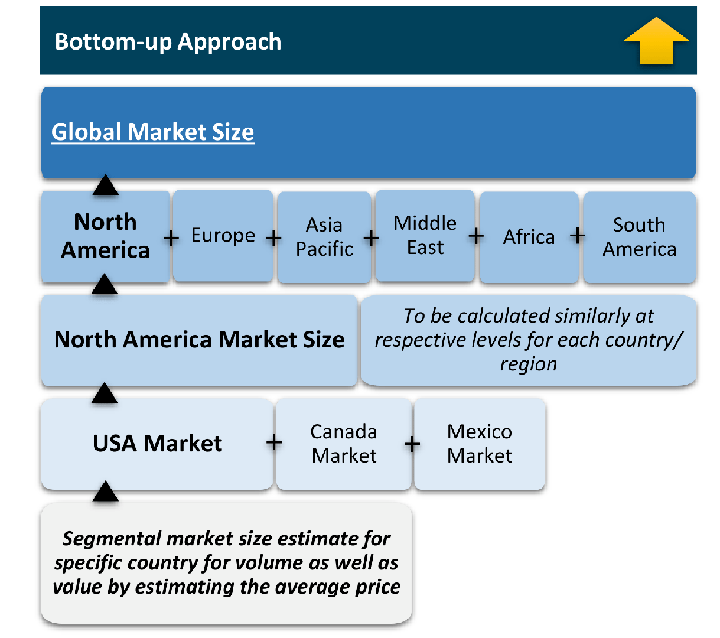
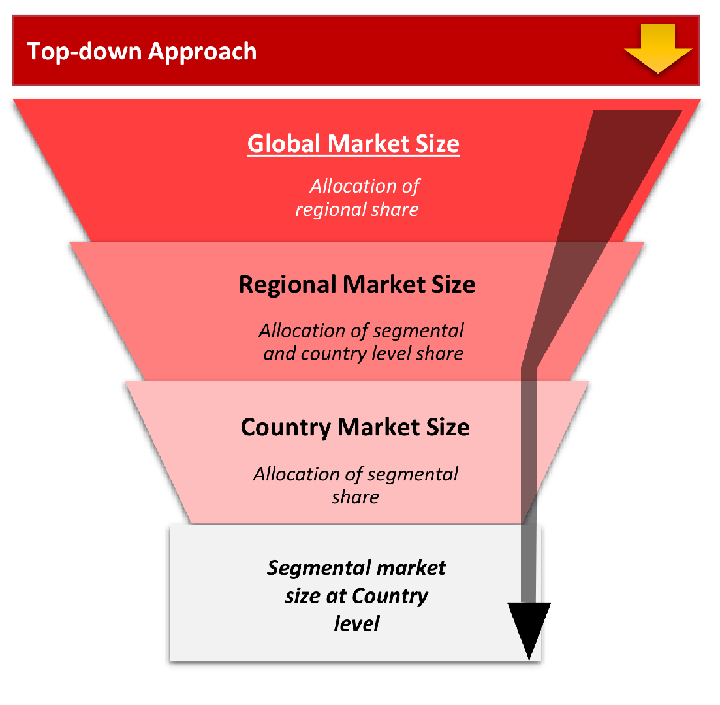
    • 1.2. Research Design and Approach
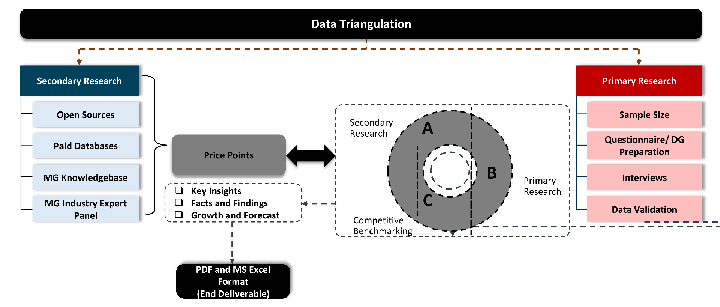
    • 1.3. Data Collection Methods
    • 1.4. Base Estimates and Calculations
    • 1.5. Forecasting Models
      • 1.5.1. Key Forecast Factors & Impact Analysis
    • 1.6. Secondary Research
      • 1.6.1. Open Sources
      • 1.6.2. Paid Databases
      • 1.6.3. Associations
    • 1.7. Primary Research
      • 1.7.1. Primary Sources
      • 1.7.2. Primary Interviews with Stakeholders across Ecosystem
  • 2. Executive Summary
    • 2.1. Microgreens Market Outlook
      • 2.1.1. Microgreens Market Size (Value - US$ Billion), and Forecasts, 2021-2035
      • 2.1.2. Compounded Annual Growth Rate Analysis
      • 2.1.3. Growth Opportunity Analysis
      • 2.1.4. Segmental Share Analysis
      • 2.1.5. Geographical Share Analysis
    • 2.2. Market Analysis and Facts
    • 2.3. Supply-Demand Analysis
    • 2.4. Competitive Benchmarking
    • 2.5. Go-to- Market Strategy
      • 2.5.1. Customer/ End-use Industry Assessment
      • 2.5.2. Growth Opportunity Data, 2025-2035
        • 2.5.2.1. Regional Data
        • 2.5.2.2. Country Data
        • 2.5.2.3. Segmental Data
      • 2.5.3. Identification of Potential Market Spaces
      • 2.5.4. GAP Analysis
      • 2.5.5. Potential Attractive Price Points
      • 2.5.6. Prevailing Market Risks & Challenges
      • 2.5.7. Preferred Sales & Marketing Strategies
      • 2.5.8. Key Recommendations and Analysis
      • 2.5.9. A Way Forward
  • 3. Industry Data and Premium Insights
    • 3.1. Microgreens Industry Overview, 2025
      • 3.1.1. Food & Beverages Industry Ecosystem Analysis
      • 3.1.2. Key Trends for Food & Beverages Industry
      • 3.1.3. Regional Distribution for Food & Beverages Industry
    • 3.2. Supplier Customer Data
    • 3.3. Source Roadmap and Developments
    • 3.4. Trade Analysis
      • 3.4.1. Import & Export Analysis, 2025
      • 3.4.2. Top Importing Countries
      • 3.4.3. Top Exporting Countries
    • 3.5. Trump Tariff Impact Analysis
      • 3.5.1. Manufacturer
      • 3.5.2. Supply Chain
      • 3.5.3. End Consumer
    • 3.6. Raw Material Analysis
  • 4. Market Overview
    • 4.1. Market Dynamics
      • 4.1.1. Drivers
        • 4.1.1.1. Growing Demand for Indoor Farming Unlocks the Untapped Potential of the Microgreens Market
      • 4.1.2. Restraints
        • 4.1.2.1. Excessive Pro Excessive Production and Processing Costs with Sensitivity and Low Shelf-Life
    • 4.2. Key Trend Analysis
    • 4.3. Regulatory Framework
      • 4.3.1. Key Regulations, Norms, and Subsidies, by Key Countries
      • 4.3.2. Tariffs and Standards
      • 4.3.3. Impact Analysis of Regulations on the Market
    • 4.4. Value Chain Analysis
      • 4.4.1. Raw Material Sourcing
      • 4.4.2. Cultivation and Processing
      • 4.4.3. Wholesalers/ E-commerce Platform
      • 4.4.4. End-use/ Customers
    • 4.5. Cost Structure Analysis
      • 4.5.1. Parameter’s Share for Cost Associated
      • 4.5.2. COGP vs COGS
      • 4.5.3. Profit Margin Analysis
    • 4.6. Pricing Analysis
      • 4.6.1. Regional Pricing Analysis
      • 4.6.2. Segmental Pricing Trends
      • 4.6.3. Factors Influencing Pricing
    • 4.7. Porter’s Five Forces Analysis
    • 4.8. PESTEL Analysis
    • 4.9. Microgreens Market Demand
      • 4.9.1. Historical Market Size - Value (US$ Billion), 2021-2024
      • 4.9.2. Current and Future Market Size - Value (US$ Billion), 2025–2035
        • 4.9.2.1. Y-o-Y Growth Trends
        • 4.9.2.2. Absolute $ Opportunity Assessment
  • 5. Competition Landscape
    • 5.1. Competition structure
      • 5.1.1. Fragmented v/s consolidated
    • 5.2. Company Share Analysis, 2025
      • 5.2.1. Global Company Market Share
      • 5.2.2. By Region
        • 5.2.2.1. North America
        • 5.2.2.2. Europe
        • 5.2.2.3. Asia Pacific
        • 5.2.2.4. Middle East
        • 5.2.2.5. Africa
        • 5.2.2.6. South America
    • 5.3. Product Comparison Matrix
      • 5.3.1. Specifications
      • 5.3.2. Market Positioning
      • 5.3.3. Pricing
  • 6. Microgreens Market Analysis, by Growth Medium
    • 6.1. Key Segment Analysis
    • 6.2. Microgreens Market Size (Value - US$ Billion), Analysis, and Forecasts, by Growth Medium, 2021-2035
      • 6.2.1. Soil-based
      • 6.2.2. Hydroponic
      • 6.2.3. Coco Peat
      • 6.2.4. Biodegradable Fiber Mats
      • 6.2.5. Peat Moss
      • 6.2.6. Vermiculite/perlite blends
      • 6.2.7. Others (Composite Organic Mixes, etc.)
  • 7. Microgreens Market Analysis, by Farming Method
    • 7.1. Key Segment Analysis
    • 7.2. Microgreens Market Size (Value - US$ Billion), Analysis, and Forecasts, by Farming Method, 2021-2035
      • 7.2.1. Indoor Vertical Farming
      • 7.2.2. Greenhouse Farming
      • 7.2.3. Commercial Outdoor Farming
      • 7.2.4. Container Farming
      • 7.2.5. DIY/Home-based Farming
      • 7.2.6. Aquaponics-integrated Farming
  • 8. Microgreens Market Analysis, by Produce/ Crop Type
    • 8.1. Key Segment Analysis
    • 8.2. Microgreens Market Size (Value - US$ Billion), Analysis, and Forecasts, by Produce/ Crop Type, 2021-2035
      • 8.2.1. Broccoli Microgreens
      • 8.2.2. Arugula Microgreens
      • 8.2.3. Radish Microgreens
      • 8.2.4. Basil Microgreens
      • 8.2.5. Pea Shoots
      • 8.2.6. Sunflower Microgreens
      • 8.2.7. Beet Microgreens
      • 8.2.8. Cilantro Microgreens
      • 8.2.9. Mustard Microgreens
      • 8.2.10. Spinach Microgreens
      • 8.2.11. Amaranth Microgreens
      • 8.2.12. Cabbage/Kale Microgreens
      • 8.2.13. Others (e.g., Buckwheat, Chard, Fenugreek, etc.)
  • 9. Microgreens Market Analysis, by End-User
    • 9.1. Key Segment Analysis
    • 9.2. Microgreens Market Size (Value - US$ Billion), Analysis, and Forecasts, by End-User, 2021-2035
      • 9.2.1. Foodservice
        • 9.2.1.1. Hotels
        • 9.2.1.2. Restaurants
        • 9.2.1.3. Cafés
      • 9.2.2. Retail Consumers
      • 9.2.3. Nutraceutical Companies
      • 9.2.4. Cosmetics and Personal Care Manufacturers
      • 9.2.5. Health & Wellness Centers
      • 9.2.6. Others
  • 10. Microgreens Market Analysis, by Distribution Channel
    • 10.1. Key Segment Analysis
    • 10.2. Microgreens Market Size (Value - US$ Billion), Analysis, and Forecasts, by Distribution Channel, 2021-2035
      • 10.2.1. Direct Sales
      • 10.2.2. Online Retail
        • E10.2.2.1. -commerce platforms
        • 10.2.2.2. Direct-to-consumer
        • 10.2.2.3. Subscription services
      • 10.2.3. Offline Retail
        • 10.2.3.1. Supermarkets
        • 10.2.3.2. Specialty stores
        • 10.2.3.3. Farmers markets
        • 10.2.3.4. Traditional channels
  • 11. Microgreens Market Analysis, by Packaging Type
    • 11.1. Key Segment Analysis
    • 11.2. Microgreens Market Size (Value - US$ Billion), Analysis, and Forecasts, by Packaging Type, 2021-2035
      • 11.2.1. Plastic Clamshells
      • 11.2.2. Biodegradable Trays
      • 11.2.3. Vacuum-sealed Bags
      • 11.2.4. Custom-labeled Micro Packs
      • 11.2.5. Bulk Packaging
  • 12. Microgreens Market Analysis, by Shelf Life
    • 12.1. Key Segment Analysis
    • 12.2. Microgreens Market Size (Value - US$ Billion), Analysis, and Forecasts, by Shelf Life, 2021-2035
      • 12.2.1. 1–3 days
      • 12.2.2. 4–7 days
      • 12.2.3. >7 days
  • 13. Microgreens Market Analysis and Forecasts, by Region
    • 13.1. Key Findings
    • 13.2. Microgreens Market Size (Value - US$ Billion), Analysis, and Forecasts, by Region, 2021-2035
      • 13.2.1. North America
      • 13.2.2. Europe
      • 13.2.3. Asia Pacific
      • 13.2.4. Middle East
      • 13.2.5. Africa
      • 13.2.6. South America
  • 14. North America Microgreens Market Analysis
    • 14.1. Key Segment Analysis
    • 14.2. Regional Snapshot
    • 14.3. North America Microgreens Market Size (Value - US$ Billion), Analysis, and Forecasts, 2021-2035
      • 14.3.1. Growth Medium
      • 14.3.2. Farming Method
      • 14.3.3. Produce/Crop Type
      • 14.3.4. End-User
      • 14.3.5. Distribution Channel
      • 14.3.6. Packaging Type
      • 14.3.7. Shelf Life
      • 14.3.8. Country
        • 14.3.8.1. USA
        • 14.3.8.2. Canada
        • 14.3.8.3. Mexico
    • 14.4. USA Microgreens Market
      • 14.4.1. Country Segmental Analysis
      • 14.4.2. Growth Medium
      • 14.4.3. Farming Method
      • 14.4.4. Produce/Crop Type
      • 14.4.5. End-User
      • 14.4.6. Distribution Channel
      • 14.4.7. Packaging Type
      • 14.4.8. Shelf Life
    • 14.5. Canada Microgreens Market
      • 14.5.1. Country Segmental Analysis
      • 14.5.2. Growth Medium
      • 14.5.3. Farming Method
      • 14.5.4. Produce/Crop Type
      • 14.5.5. End-User
      • 14.5.6. Distribution Channel
      • 14.5.7. Packaging Type
      • 14.5.8. Shelf Life
    • 14.6. Mexico Microgreens Market
      • 14.6.1. Country Segmental Analysis
      • 14.6.2. Growth Medium
      • 14.6.3. Farming Method
      • 14.6.4. Produce/Crop Type
      • 14.6.5. End-User
      • 14.6.6. Distribution Channel
      • 14.6.7. Packaging Type
      • 14.6.8. Shelf Life
  • 15. Europe Microgreens Market Analysis
    • 15.1. Key Segment Analysis
    • 15.2. Regional Snapshot
    • 15.3. Europe Microgreens Market Size (Value - US$ Billion), Analysis, and Forecasts, 2021-2035
      • 15.3.1. Growth Medium
      • 15.3.2. Farming Method
      • 15.3.3. Produce/Crop Type
      • 15.3.4. End-User
      • 15.3.5. Distribution Channel
      • 15.3.6. Packaging Type
      • 15.3.7. Shelf Life
      • 15.3.8. Country
        • 15.3.8.1. Germany
        • 15.3.8.2. United Kingdom
        • 15.3.8.3. France
        • 15.3.8.4. Italy
        • 15.3.8.5. Spain
        • 15.3.8.6. Netherlands
        • 15.3.8.7. Nordic Countries
        • 15.3.8.8. Poland
        • 15.3.8.9. Russia & CIS
        • 15.3.8.10. Rest of Europe
    • 15.4. Germany Microgreens Market
      • 15.4.1. Country Segmental Analysis
      • 15.4.2. Growth Medium
      • 15.4.3. Farming Method
      • 15.4.4. Produce/Crop Type
      • 15.4.5. End-User
      • 15.4.6. Distribution Channel
      • 15.4.7. Packaging Type
      • 15.4.8. Shelf Life
    • 15.5. United Kingdom Microgreens Market
      • 15.5.1. Country Segmental Analysis
      • 15.5.2. Growth Medium
      • 15.5.3. Farming Method
      • 15.5.4. Produce/Crop Type
      • 15.5.5. End-User
      • 15.5.6. Distribution Channel
      • 15.5.7. Packaging Type
      • 15.5.8. Shelf Life
    • 15.6. France Microgreens Market
      • 15.6.1. Country Segmental Analysis
      • 15.6.2. Growth Medium
      • 15.6.3. Farming Method
      • 15.6.4. Produce/Crop Type
      • 15.6.5. End-User
      • 15.6.6. Distribution Channel
      • 15.6.7. Packaging Type
      • 15.6.8. Shelf Life
    • 15.7. Italy Microgreens Market
      • 15.7.1. Country Segmental Analysis
      • 15.7.2. Growth Medium
      • 15.7.3. Farming Method
      • 15.7.4. Produce/Crop Type
      • 15.7.5. End-User
      • 15.7.6. Distribution Channel
      • 15.7.7. Packaging Type
      • 15.7.8. Shelf Life
    • 15.8. Spain Microgreens Market
      • 15.8.1. Country Segmental Analysis
      • 15.8.2. Growth Medium
      • 15.8.3. Farming Method
      • 15.8.4. Produce/Crop Type
      • 15.8.5. End-User
      • 15.8.6. Distribution Channel
      • 15.8.7. Packaging Type
      • 15.8.8. Shelf Life
    • 15.9. Netherlands Microgreens Market
      • 15.9.1. Country Segmental Analysis
      • 15.9.2. Growth Medium
      • 15.9.3. Farming Method
      • 15.9.4. Produce/Crop Type
      • 15.9.5. End-User
      • 15.9.6. Distribution Channel
      • 15.9.7. Packaging Type
      • 15.9.8. Shelf Life
    • 15.10. Nordic Countries Microgreens Market
      • 15.10.1. Country Segmental Analysis
      • 15.10.2. Growth Medium
      • 15.10.3. Farming Method
      • 15.10.4. Produce/Crop Type
      • 15.10.5. End-User
      • 15.10.6. Distribution Channel
      • 15.10.7. Packaging Type
      • 15.10.8. Shelf Life
    • 15.11. Poland Microgreens Market
      • 15.11.1. Country Segmental Analysis
      • 15.11.2. Growth Medium
      • 15.11.3. Farming Method
      • 15.11.4. Produce/Crop Type
      • 15.11.5. End-User
      • 15.11.6. Distribution Channel
      • 15.11.7. Packaging Type
      • 15.11.8. Shelf Life
    • 15.12. Russia & CIS Microgreens Market
      • 15.12.1. Country Segmental Analysis
      • 15.12.2. Growth Medium
      • 15.12.3. Farming Method
      • 15.12.4. Produce/Crop Type
      • 15.12.5. End-User
      • 15.12.6. Distribution Channel
      • 15.12.7. Packaging Type
      • 15.12.8. Shelf Life
    • 15.13. Rest of Europe Microgreens Market
      • 15.13.1. Country Segmental Analysis
      • 15.13.2. Growth Medium
      • 15.13.3. Farming Method
      • 15.13.4. Produce/Crop Type
      • 15.13.5. End-User
      • 15.13.6. Distribution Channel
      • 15.13.7. Packaging Type
      • 15.13.8. Shelf Life
  • 16. Asia Pacific Microgreens Market Analysis
    • 16.1. Key Segment Analysis
    • 16.2. Regional Snapshot
    • 16.3. East Asia Microgreens Market Size (Value - US$ Billion), Analysis, and Forecasts, 2021-2035
      • 16.3.1. Growth Medium
      • 16.3.2. Farming Method
      • 16.3.3. Produce/Crop Type
      • 16.3.4. End-User
      • 16.3.5. Distribution Channel
      • 16.3.6. Packaging Type
      • 16.3.7. Shelf Life
      • 16.3.8. Country
        • 16.3.8.1. China
        • 16.3.8.2. India
        • 16.3.8.3. Japan
        • 16.3.8.4. South Korea
        • 16.3.8.5. Australia and New Zealand
        • 16.3.8.6. Indonesia
        • 16.3.8.7. Malaysia
        • 16.3.8.8. Thailand
        • 16.3.8.9. Vietnam
        • 16.3.8.10. Rest of Asia-Pacific
    • 16.4. China Microgreens Market
      • 16.4.1. Country Segmental Analysis
      • 16.4.2. Growth Medium
      • 16.4.3. Farming Method
      • 16.4.4. Produce/Crop Type
      • 16.4.5. End-User
      • 16.4.6. Distribution Channel
      • 16.4.7. Packaging Type
      • 16.4.8. Shelf Life
    • 16.5. India Microgreens Market
      • 16.5.1. Country Segmental Analysis
      • 16.5.2. Growth Medium
      • 16.5.3. Farming Method
      • 16.5.4. Produce/Crop Type
      • 16.5.5. End-User
      • 16.5.6. Distribution Channel
      • 16.5.7. Packaging Type
      • 16.5.8. Shelf Life
    • 16.6. Japan Microgreens Market
      • 16.6.1. Country Segmental Analysis
      • 16.6.2. Growth Medium
      • 16.6.3. Farming Method
      • 16.6.4. Produce/Crop Type
      • 16.6.5. End-User
      • 16.6.6. Distribution Channel
      • 16.6.7. Packaging Type
      • 16.6.8. Shelf Life
    • 16.7. South Korea Microgreens Market
      • 16.7.1. Country Segmental Analysis
      • 16.7.2. Growth Medium
      • 16.7.3. Farming Method
      • 16.7.4. Produce/Crop Type
      • 16.7.5. End-User
      • 16.7.6. Distribution Channel
      • 16.7.7. Packaging Type
      • 16.7.8. Shelf Life
    • 16.8. Australia and New Zealand Microgreens Market
      • 16.8.1. Country Segmental Analysis
      • 16.8.2. Growth Medium
      • 16.8.3. Farming Method
      • 16.8.4. Produce/Crop Type
      • 16.8.5. End-User
      • 16.8.6. Distribution Channel
      • 16.8.7. Packaging Type
      • 16.8.8. Shelf Life
    • 16.9. Indonesia Microgreens Market
      • 16.9.1. Country Segmental Analysis
      • 16.9.2. Growth Medium
      • 16.9.3. Farming Method
      • 16.9.4. Produce/Crop Type
      • 16.9.5. End-User
      • 16.9.6. Distribution Channel
      • 16.9.7. Packaging Type
      • 16.9.8. Shelf Life
    • 16.10. Malaysia Microgreens Market
      • 16.10.1. Country Segmental Analysis
      • 16.10.2. Growth Medium
      • 16.10.3. Farming Method
      • 16.10.4. Produce/Crop Type
      • 16.10.5. End-User
      • 16.10.6. Distribution Channel
      • 16.10.7. Packaging Type
      • 16.10.8. Shelf Life
    • 16.11. Thailand Microgreens Market
      • 16.11.1. Country Segmental Analysis
      • 16.11.2. Growth Medium
      • 16.11.3. Farming Method
      • 16.11.4. Produce/Crop Type
      • 16.11.5. End-User
      • 16.11.6. Distribution Channel
      • 16.11.7. Packaging Type
      • 16.11.8. Shelf Life
    • 16.12. Vietnam Microgreens Market
      • 16.12.1. Country Segmental Analysis
      • 16.12.2. Growth Medium
      • 16.12.3. Farming Method
      • 16.12.4. Produce/Crop Type
      • 16.12.5. End-User
      • 16.12.6. Distribution Channel
      • 16.12.7. Packaging Type
      • 16.12.8. Shelf Life
    • 16.13. Rest of Asia Pacific Microgreens Market
      • 16.13.1. Country Segmental Analysis
      • 16.13.2. Growth Medium
      • 16.13.3. Farming Method
      • 16.13.4. Produce/Crop Type
      • 16.13.5. End-User
      • 16.13.6. Distribution Channel
      • 16.13.7. Packaging Type
      • 16.13.8. Shelf Life
  • 17. Middle East Microgreens Market Analysis
    • 17.1. Key Segment Analysis
    • 17.2. Regional Snapshot
    • 17.3. Middle East Microgreens Market Size (Value - US$ Billion), Analysis, and Forecasts, 2021-2035
      • 17.3.1. Growth Medium
      • 17.3.2. Farming Method
      • 17.3.3. Produce/Crop Type
      • 17.3.4. End-User
      • 17.3.5. Distribution Channel
      • 17.3.6. Packaging Type
      • 17.3.7. Shelf Life
      • 17.3.8. Country
        • 17.3.8.1. Turkey
        • 17.3.8.2. UAE
        • 17.3.8.3. Saudi Arabia
        • 17.3.8.4. Israel
        • 17.3.8.5. Rest of Middle East
    • 17.4. Turkey Microgreens Market
      • 17.4.1. Country Segmental Analysis
      • 17.4.2. Growth Medium
      • 17.4.3. Farming Method
      • 17.4.4. Produce/Crop Type
      • 17.4.5. End-User
      • 17.4.6. Distribution Channel
      • 17.4.7. Packaging Type
      • 17.4.8. Shelf Life
    • 17.5. UAE Microgreens Market
      • 17.5.1. Country Segmental Analysis
      • 17.5.2. Growth Medium
      • 17.5.3. Farming Method
      • 17.5.4. Produce/Crop Type
      • 17.5.5. End-User
      • 17.5.6. Distribution Channel
      • 17.5.7. Packaging Type
      • 17.5.8. Shelf Life
    • 17.6. Saudi Arabia Microgreens Market
      • 17.6.1. Country Segmental Analysis
      • 17.6.2. Growth Medium
      • 17.6.3. Farming Method
      • 17.6.4. Produce/Crop Type
      • 17.6.5. End-User
      • 17.6.6. Distribution Channel
      • 17.6.7. Packaging Type
      • 17.6.8. Shelf Life
    • 17.7. Israel Microgreens Market
      • 17.7.1. Country Segmental Analysis
      • 17.7.2. Growth Medium
      • 17.7.3. Farming Method
      • 17.7.4. Produce/Crop Type
      • 17.7.5. End-User
      • 17.7.6. Distribution Channel
      • 17.7.7. Packaging Type
      • 17.7.8. Shelf Life
    • 17.8. Rest of Middle East Microgreens Market
      • 17.8.1. Country Segmental Analysis
      • 17.8.2. Growth Medium
      • 17.8.3. Farming Method
      • 17.8.4. Produce/Crop Type
      • 17.8.5. End-User
      • 17.8.6. Distribution Channel
      • 17.8.7. Packaging Type
      • 17.8.8. Shelf Life
  • 18. Africa Microgreens Market Analysis
    • 18.1. Key Segment Analysis
    • 18.2. Regional Snapshot
    • 18.3. Africa Microgreens Market Size (Value - US$ Billion), Analysis, and Forecasts, 2021-2035
      • 18.3.1. Growth Medium
      • 18.3.2. Farming Method
      • 18.3.3. Produce/Crop Type
      • 18.3.4. End-User
      • 18.3.5. Distribution Channel
      • 18.3.6. Packaging Type
      • 18.3.7. Shelf Life
      • 18.3.8. Country
        • 18.3.8.1. South Africa
        • 18.3.8.2. Egypt
        • 18.3.8.3. Nigeria
        • 18.3.8.4. Algeria
        • 18.3.8.5. Rest of Africa
    • 18.4. South Africa Microgreens Market
      • 18.4.1. Country Segmental Analysis
      • 18.4.2. Growth Medium
      • 18.4.3. Farming Method
      • 18.4.4. Produce/Crop Type
      • 18.4.5. End-User
      • 18.4.6. Distribution Channel
      • 18.4.7. Packaging Type
      • 18.4.8. Shelf Life
    • 18.5. Egypt Microgreens Market
      • 18.5.1. Country Segmental Analysis
      • 18.5.2. Growth Medium
      • 18.5.3. Farming Method
      • 18.5.4. Produce/Crop Type
      • 18.5.5. End-User
      • 18.5.6. Distribution Channel
      • 18.5.7. Packaging Type
      • 18.5.8. Shelf Life
    • 18.6. Nigeria Microgreens Market
      • 18.6.1. Country Segmental Analysis
      • 18.6.2. Growth Medium
      • 18.6.3. Farming Method
      • 18.6.4. Produce/Crop Type
      • 18.6.5. End-User
      • 18.6.6. Distribution Channel
      • 18.6.7. Packaging Type
      • 18.6.8. Shelf Life
    • 18.7. Algeria Microgreens Market
      • 18.7.1. Country Segmental Analysis
      • 18.7.2. Growth Medium
      • 18.7.3. Farming Method
      • 18.7.4. Produce/Crop Type
      • 18.7.5. End-User
      • 18.7.6. Distribution Channel
      • 18.7.7. Packaging Type
      • 18.7.8. Shelf Life
    • 18.8. Rest of Africa Microgreens Market
      • 18.8.1. Country Segmental Analysis
      • 18.8.2. Growth Medium
      • 18.8.3. Farming Method
      • 18.8.4. Produce/Crop Type
      • 18.8.5. End-User
      • 18.8.6. Distribution Channel
      • 18.8.7. Packaging Type
      • 18.8.8. Shelf Life
  • 19. South America Microgreens Market Analysis
    • 19.1. Key Segment Analysis
    • 19.2. Regional Snapshot
    • 19.3. Central and South Africa Microgreens Market Size ( Value - US$ Billion), Analysis, and Forecasts, 2021-2035
      • 19.3.1. Growth Medium
      • 19.3.2. Farming Method
      • 19.3.3. Produce/Crop Type
      • 19.3.4. End-User
      • 19.3.5. Distribution Channel
      • 19.3.6. Packaging Type
      • 19.3.7. Shelf Life
      • 19.3.8. Country
        • 19.3.8.1. Brazil
        • 19.3.8.2. Argentina
        • 19.3.8.3. Rest of South America
    • 19.4. Brazil Microgreens Market
      • 19.4.1. Country Segmental Analysis
      • 19.4.2. Growth Medium
      • 19.4.3. Farming Method
      • 19.4.4. Produce/Crop Type
      • 19.4.5. End-User
      • 19.4.6. Distribution Channel
      • 19.4.7. Packaging Type
      • 19.4.8. Shelf Life
    • 19.5. Argentina Microgreens Market
      • 19.5.1. Country Segmental Analysis
      • 19.5.2. Growth Medium
      • 19.5.3. Farming Method
      • 19.5.4. Produce/Crop Type
      • 19.5.5. End-User
      • 19.5.6. Distribution Channel
      • 19.5.7. Packaging Type
      • 19.5.8. Shelf Life
    • 19.6. Rest of South America Microgreens Market
      • 19.6.1. Country Segmental Analysis
      • 19.6.2. Growth Medium
      • 19.6.3. Farming Method
      • 19.6.4. Produce/Crop Type
      • 19.6.5. End-User
      • 19.6.6. Distribution Channel
      • 19.6.7. Packaging Type
      • 19.6.8. Shelf Life
  • 20. Key Players/ Company Profile
    • 20.1. 2BFresh
      • 20.1.1. Company Details/ Overview
      • 20.1.2. Company Financials
      • 20.1.3. Key Customers and Competitors
      • 20.1.4. Business/ Industry Portfolio
      • 20.1.5. Product Portfolio/ Specification Details
      • 20.1.6. Pricing Data
      • 20.1.7. Strategic Overview
      • 20.1.8. Recent Developments
    • 20.2. Aerofarms
    • 20.3. Agrosiaa Agri Solutions Pvt. Ltd.
    • 20.4. Backyard Greens
    • 20.5. Beleaf Farms
    • 20.6. Bowery Farming Inc.
    • 20.7. Chef’s Garden
    • 20.8. Farmbox Greens LLC
    • 20.9. Freight Farms
    • 20.10. Fresh Origins
    • 20.11. GoodLeaf Farms
    • 20.12. Gotham Greens
    • 20.13. Greenbelt Microgreens
    • 20.14. Hamama Inc.
    • 20.15. Hydrofarm LLC
    • 20.16. Infarm
    • 20.17. Living Earth Farms
    • 20.18. Madar Farms
    • 20.19. Metro Microgreens
    • 20.20. Square Roots
    • 20.21. Sun State Organics
    • 20.22. The Chef's Garden Inc
    • 20.23. TruLeaf Sustainable Agriculture
    • 20.24. Urbn Leaf Farms
    • 20.25. Other Key Players


Note* - This is just tentative list of players. While providing the report, we will cover more number of players based on their revenue and share for each geography

Custom Market Research Services

We will customise the research for you, in case the report listed above does not meet your requirements.

Get 10% Free Customisation